
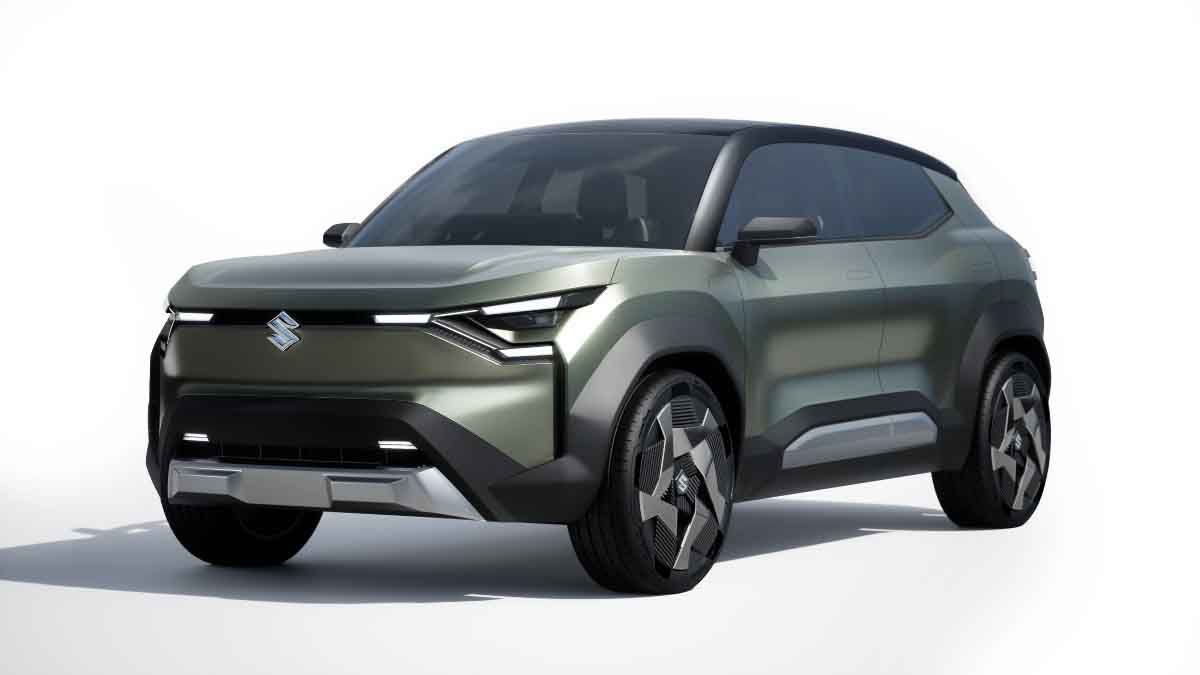
Maruti Suzuki, India’s largest carmaker, is finally stepping into the electric vehicle (EV) arena with bold plans that promise to make EVs affordable and accessible for millions. Long known for petrol and CNG dominance, Maruti’s EV entry marks a game-changer, starting with the much-awaited Maruti e Vitara in early 2026. This move aligns with India’s push for green mobility amid rising fuel costs and stricter emission norms.
For Indian families tired of range anxiety and high running costs, Maruti Suzuki EV lineup brings reliable, value-packed options. Expect midsize SUVs, hatchbacks, and more, backed by a massive charging network. This isn’t just about cars—it’s about building an EV ecosystem tailored for Bharat’s roads.
Why Maruti’s EV Entry Matters for India
India’s EV market is booming, with sales up over 100% in 2025, but challenges like charging infrastructure hold many back. Maruti Suzuki, holding 40% of the passenger vehicle share, enters to democratize electric cars in India. Their strategy focuses on mass-market appeal, leveraging decades of trust.
Urban commuters in Delhi, Mumbai, and Bengaluru crave zero-emission rides without compromise. Maruti’s EV plans address this with competitive pricing, long ranges, and nationwide support, rivaling Tata and Mahindra. It’s a shift from hybrids to full battery electric vehicles (BEVs).
Government incentives like FAME-III and state subsidies will sweeten the deal, making Maruti EVs a smart buy for middle-class buyers eyeing sustainable upgrades.
Spotlight on Maruti e Vitara: The First EV Star
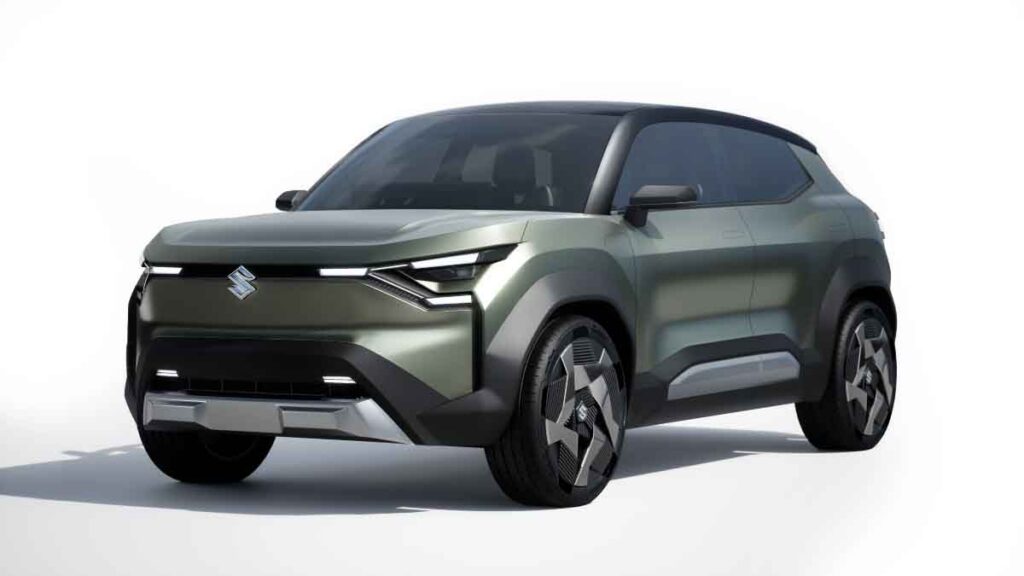
The Maruti e Vitara, codenamed eVX earlier, leads Maruti’s EV entry as a premium midsize electric SUV. Unveiled at Auto Expo 2025, it rides on the dedicated HEARTECT-e platform for superior safety and efficiency. Production starts at Gujarat’s Suzuki plant, with exports already underway.
Key specs make it a standout:
Priced between ₹17-26 lakh (ex-showroom), it undercuts rivals like Tata Curvv EV while offering 5-star Bharat NCAP safety, Level-2 ADAS, 360° camera, and ventilated seats.
Inside, a dual-screen setup with 10.1-inch touchscreen, wireless Android Auto/Apple CarPlay, and panoramic sunroof screams premium. Bold colors like dual-tones add flair for Indian tastes.
Maruti’s Ambitious EV Roadmap Ahead
Beyond e Vitara, Maruti Suzuki EV plans include four new models by 2030 across segments. An entry-level electric hatchback will challenge Tata Tiago EV and MG Comet, ideal for city zippers under ₹10 lakh.
- Electric Fronx crossover: Compact, stylish for young buyers.
- Electric MPV (YMC): Family hauler by 2030, perfect for 7-seaters.
- Strong hybrids on Baleno, Brezza, Swift for transition phase.
This lineup targets 15-20% EV sales share, blending Suzuki’s global tech with local needs like pothole-proofing and heat resistance (-30°C to 60°C tested).
Building India’s Largest EV Charging Network
Range anxiety? Not with Maruti. They’ve invested ₹250 crore in an ecosystem with over 2,000 exclusive chargers across 1,100+ cities, plus partnerships with 13 operators like Statiq and Tata Power.
- Goal: 1 lakh charging points by 2030, every 5-10 km in top 100 cities.
- Highway coverage: Delhi-Chandigarh route has 63 points for worry-free trips.
- ‘e for me’ app: Locate chargers, pay via UPI, schedule home setup, book services.
A pan-India ‘e drive’ demo—from Srinagar to Kanyakumari—proves real-world readiness. 1,500 EV-ready workshops and 1.5 lakh trained staff ensure seamless ownership.
Innovations like Battery-as-a-Service (BaaS) let you rent batteries monthly, slashing upfront costs by 20-30%. Assured buyback adds resale peace.
Ownership Perks and Buying Smart
Maruti e Vitara buyers get zero emissions, lower running costs (₹1-2/km vs ₹8-10 for petrol), and 500+ km range for daily grinds. Service networks dwarf competitors, with quick LFP battery swaps.
Compare with rivals:
| Model | Range (km) | Price (₹ lakh) | Chargers |
|---|---|---|---|
| Maruti e Vitara | 543 | 17-26 | 2,000+ |
| Tata Curvv EV | 502 | 17.5+ | Limited |
| Mahindra XEV 9S | 679 | 20+ | Growing |
Book via NEXA outlets from late 2025; expect festive discounts. For fleet owners, corporate leases make sense.
Challenges and the Road Forward
EV adoption in India faces hurdles like grid strain and high battery costs, but Maruti’s scale counters this. Local LFP batteries cut import reliance, aligning with Make in India.
By 2030, Maruti’s EV entry could electrify 1 in 5 cars sold, boosting exports too. It’s a win for environment, wallets, and roads clogged less with emissions.
FAQs
Q1: When does Maruti e Vitara launch?
A: Early 2026, with bookings opening late 2025 via NEXA.
Q2: What’s the e Vitara’s range?
A: Up to 543 km (ARAI) on 61 kWh pack, real-world 400-450 km.
Q3: How many chargers will Maruti have?
A: 2,000+ now, targeting 1 lakh by 2030.
Q4: Is BaaS available?
A: Yes, rent battery to lower upfront cost.
Q5: What’s next after e Vitara?
A: Hatchback, Fronx EV, MPV by 2030.

Elizabeth Muenzen is an education writer and community researcher dedicated to covering school boards, local policy, and issues that impact students and families. With a strong focus on transparency and fact-based reporting, she breaks down complex topics into clear, accessible insights for parents, educators, and community members.